
Signs That Your Cochlear Implant Needs a Mapping Adjustment

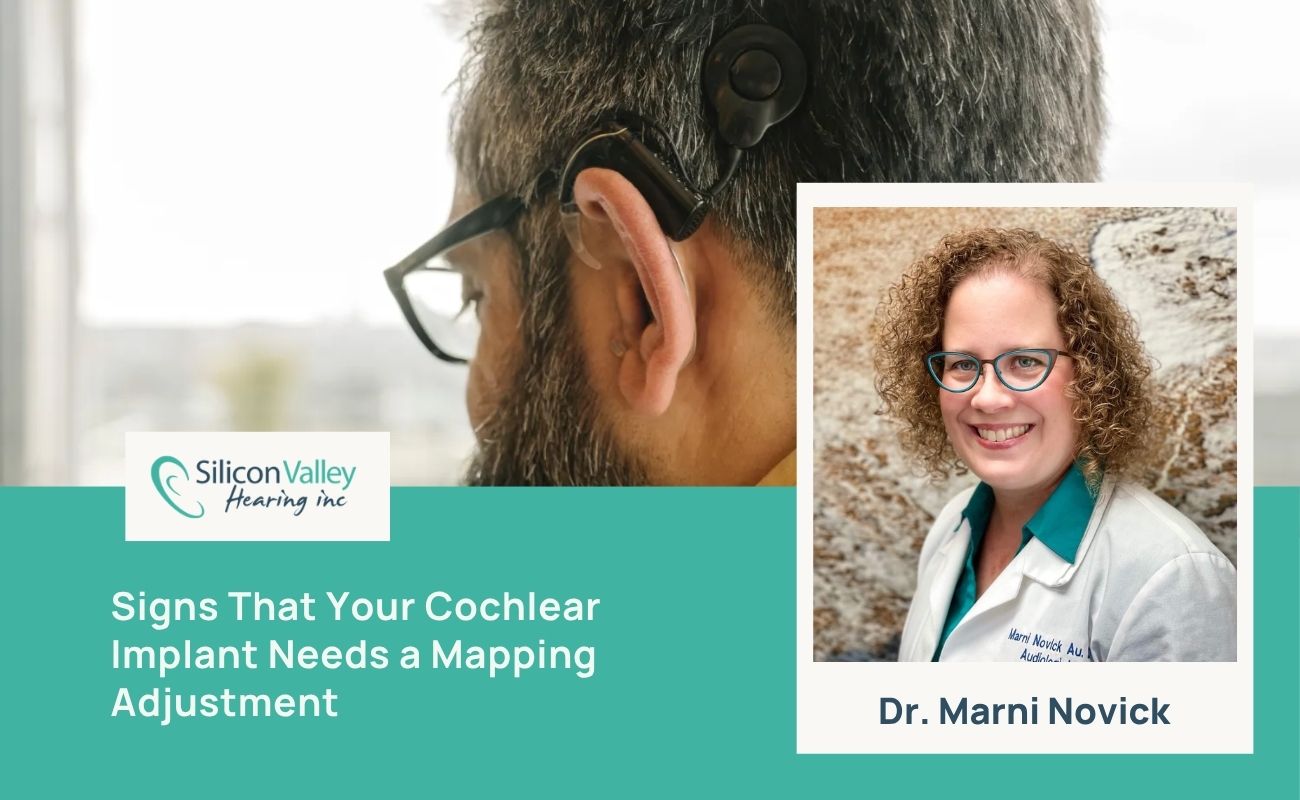

Getting a cochlear implant activated is a milestone — but it's really just the starting line. The programming that makes your implant work, called mapping, needs regular fine-tuning as your auditory system adapts and changes. And knowing when to come in for an adjustment can make a real difference in how well you hear every day.
Here are the signs that it's time to schedule a mapping session.
You're Working Harder to Follow Conversations
If conversations that used to feel easy now take real concentration — if you're asking people to repeat themselves more often, or struggling to follow along even in quiet rooms — that's worth paying attention to. Speech understanding can slip gradually, which makes it easy to blame a bad day or a noisy environment. But if the pattern holds for a couple of weeks, it probably isn't the setting. Your map likely needs an update.
Something Sounds "Off"
Your hearing can shift after implantation, and your map needs to keep pace. If sounds that once felt comfortable now seem too loud or harsh, or if everything sounds flat and muffled compared to how it used to, the settings in your device may no longer match where your hearing is today.
Patients describe this in different ways. Some say it's like hearing through a wall. Others notice that the sharpness and clarity they had is just gone. Either way, these are signals that your current programming isn't doing its job anymore — and that's something we can fix.
Noisy Places Feel Overwhelming
Background noise is tough for most cochlear implant users — that's just part of the territory. But if noise has become noticeably harder to manage over the past several months — if restaurants or family gatherings feel chaotic when they used to be manageable — that shift matters.
Your device can have separate programs for different listening environments, and those programs can be adjusted or created based on where you spend your time. If noisy places are becoming a real obstacle, a mapping session is exactly the right next step.
Wearing Your Processor Has Become Uncomfortable
Discomfort isn't something to push through or ignore. If wearing your processor has started causing headaches, a sense of pressure, or strange sensations during use, something in the settings may be off.
Individual electrodes have comfort levels that can drift over time. One that was set correctly at your last visit might now be delivering stimulation that feels wrong. This is usually a straightforward fix once we look at the current settings — you shouldn't have to white-knuckle your way through wearing your device.
It's Been More Than a Year Since Your Last Session
Even when everything seems fine, routine mapping check-ins still matter. Your auditory nerve keeps adapting to the electrical signals from your implant for months — sometimes years — after activation. That's actually a good thing, but it also means the settings that worked well a year ago may not be the best fit today.
In your first year with an implant, more frequent visits are standard. After that, appointments can spread out. But if it's been more than a year and you haven't had a mapping check, go ahead and schedule one. Waiting for something to feel noticeably wrong isn't the best strategy — catching small changes early keeps you hearing at your best.
Cochlear Implant Mapping at Silicon Valley Hearing
At Silicon Valley Hearing in Los Gatos, Dr. Marni Novick provides specialized cochlear implant mapping for patients across the greater San Jose, Saratoga, and Santa Clara areas. Her approach is methodical: adjusting threshold and comfort levels, building or refining programs for specific listening situations, and tracking your progress over time. She also works closely with your implant surgeon and rehabilitation team to make sure your care stays coordinated.
If any of these signs sound familiar, don't put off reaching out. A mapping adjustment can make a bigger difference than you might expect — sometimes it's the thing standing between you and hearing your best. Call (408) 540-7128 to schedule an appointment. We'd love to help you get more out of your implant.


